

恭賀新年
本年もどうかよろしくお願い申し上げます。
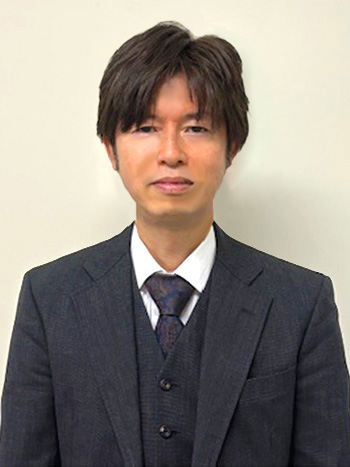
福岡大学に着任してから、早いもので五年が経過いたしました。振り返りますと、息つく暇もなく駆け抜けてきた五年間であったと感じております。私と当講座にとって、これまでの五年間は「種蒔きの期間」であり、本年からの五年間は、その種を芽吹かせ、大輪の花を咲かせるための重要な助走期間であると考えております。医局員一同、診療・研究・教育のすべてにおいて、これまで以上に邁進していく所存です。
新年のご挨拶として、昨年度の実績と本年の抱負を述べさせていただきます。
【診療について】
診療面では、九州で初導入となる新たなロボット支援手術機器「ダビンチSP」が本院にも導入されました。本機器は、3本のロボットアームと1つのカメラを、約3cmの単一切開創から挿入して手術を行うことが可能であり、術後創部が目立ちにくく、疼痛軽減にも寄与することが期待されます。患者さんにとって大きなメリットをもたらす手術支援機器であると考えております。
本年は、本機器を用いて小児先天性疾患、腎盂尿管癌、副腎腫瘍などへの適応拡大を進め、より満足度の高い医療の提供を目指してまいります。
また、入院患者数も順調に増加しており、私の着任時には19床であった病床数は27床まで増床していただき、現在では入院患者数が30名を超える日が継続しております。本年も引き続き、安全・安心な医療を提供すべく、医局員一同、気を引き締めて日常診療に取り組んでまいります。
【研究について】
研究面では、私の恩師である故・山口脩先生の研究を引き継ぐ形で、低活動膀胱における尿中miRNAを用いたバイオマーカーの開発に成功いたしました。
加齢に伴い増加する低活動膀胱は、これまで侵襲性の高い検査でしか診断が困難でしたが、私たちが開発した尿中バイオマーカーを用いることで、低侵襲に診断することが可能となりました。
さらに、前立腺検体を用いた研究において、内臓脂肪の「量」ではなく「質」の低下が前立腺肥大症の病態に関与することを見出しました。今後も本分野の研究をさらに進展させていきたいと考えております。
本年の研究目標としては、ロボット手術に関する研究成果の学会発表および論文化を掲げております。ここ数年、新たなロボット手術術式の開発に取り組み、良好な成績を収めております。これらの成果を、国内外の泌尿器科医の皆様に広くご活用いただけるよう、研究発表および論文化を早急に進めてまいります。
【医局運営について】
医局運営の面では、昨年より国際化を重要なテーマとして取り組んでまいりました。幸いにも、秋にはマレーシアからリム先生をお迎えすることができ、さらに11月には韓国・釜山の4大学と合同でロボティクスカンファレンスを開催することができました。若手から中堅の医師まで、異なる医療文化に触れることができた、大変有意義な経験であったと感じております。今後も可能な限り、こうした国際交流を継続していきたいと考えております。
また、来年度も本年を上回る新入医局員を迎える予定です。この3年間で15名以上の新入医局員を迎えることができましたが、次の5年間で、さらなる高みを目指した医局運営を行ってまいります。
本年も変わらぬご指導ご鞭撻を賜りますよう、何卒よろしくお願い申し上げます。
New Year’s Greeting
Happy New Year.
I sincerely appreciate your continued support and cooperation.
It has now been five years since I assumed my position at Fukuoka University. Looking back, these years have passed at a remarkable pace, leaving little time to pause. For both myself and our department, the past five years have been a period of “sowing seeds.” The coming five years, beginning this year, will be a crucial phase in which those seeds begin to grow and ultimately bloom into tangible achievements. With this in mind, all members of our department are fully committed to further advancing clinical practice, research, and education.
At the start of the new year, I would like to briefly outline our achievements over the past year and our goals for the year ahead.
Clinical Practice
In the field of clinical care, our hospital has introduced the da Vinci SP surgical system, the first of its kind in the Kyushu region. This advanced robotic platform enables surgery through a single small incision of approximately 3 cm, using three robotic arms and one camera. It offers excellent cosmetic outcomes and is expected to reduce postoperative pain, providing significant benefits for our patients.
In the coming year, we aim to expand the clinical indications of this system to include pediatric congenital disorders, upper urinary tract urothelial carcinoma, and adrenal tumors, thereby delivering high-quality, patient-centered care.
In addition, the number of hospitalized patients has steadily increased. At the time of my appointment, our department managed only 19 inpatient beds; this has since expanded to 27 beds, and we now consistently care for more than 30 inpatients per day. Maintaining patient safety and high standards of care remains our highest priority, and our entire team will continue to approach daily clinical practice with vigilance and professionalism.
Research
In research, we have continued the work of my late mentor, Professor Osamu Yamaguchi, and successfully developed a urinary miRNA-based biomarker for detrusor underactivity (underactive bladder). Although detrusor underactivity becomes more prevalent with aging, its diagnosis has traditionally relied on invasive examinations. Our newly developed urinary biomarker allows for a low-invasive diagnostic approach, representing a meaningful advancement in this field.
Furthermore, through analyses of prostate tissue specimens, we have demonstrated that not the quantity but the “quality” of visceral fat plays a significant role in the pathophysiology of benign prostatic hyperplasia. We intend to further develop and expand research in this area.
Our primary research goal for this year is the presentation and publication of our work on robotic surgery. Over the past several years, we have developed novel robotic surgical techniques and achieved favorable clinical outcomes. We are committed to disseminating these findings promptly through academic presentations and peer-reviewed publications so that they may be of practical value to urologists both in Japan and internationally.
Departmental Development
From the perspective of departmental management, internationalization has been a key focus. We were fortunate to welcome Dr. Lim from Malaysia in the autumn, and in November, we successfully held a joint robotics conference with four universities in Busan, Korea. This experience provided valuable exposure to different medical systems and cultures for physicians ranging from junior to mid-career levels. We hope to continue such international collaborations in the coming years.
We are also pleased to report that the number of new residents joining our department will increase again next year. Over the past three years, we have welcomed more than 15 new members, and over the next five years, we aim to elevate our department to an even higher level of excellence.
Once again, I would like to express my sincere gratitude for your continued guidance and support. I look forward to working together in the year ahead.
January 1, 2026